Handling a tiny hearing aid battery can be difficult for an older adult who experiences reduced finger dexterity or difficulty seeing small components. Repeated battery changes may become an inconvenience, particularly for someone who relies on assistance with everyday tasks.
A rechargeable hearing aid for elderly users can reduce the need to replace disposable batteries regularly, making one aspect of device management simpler.
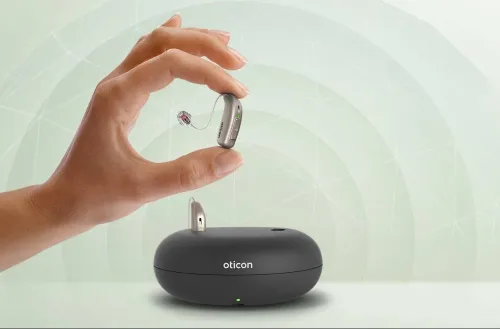
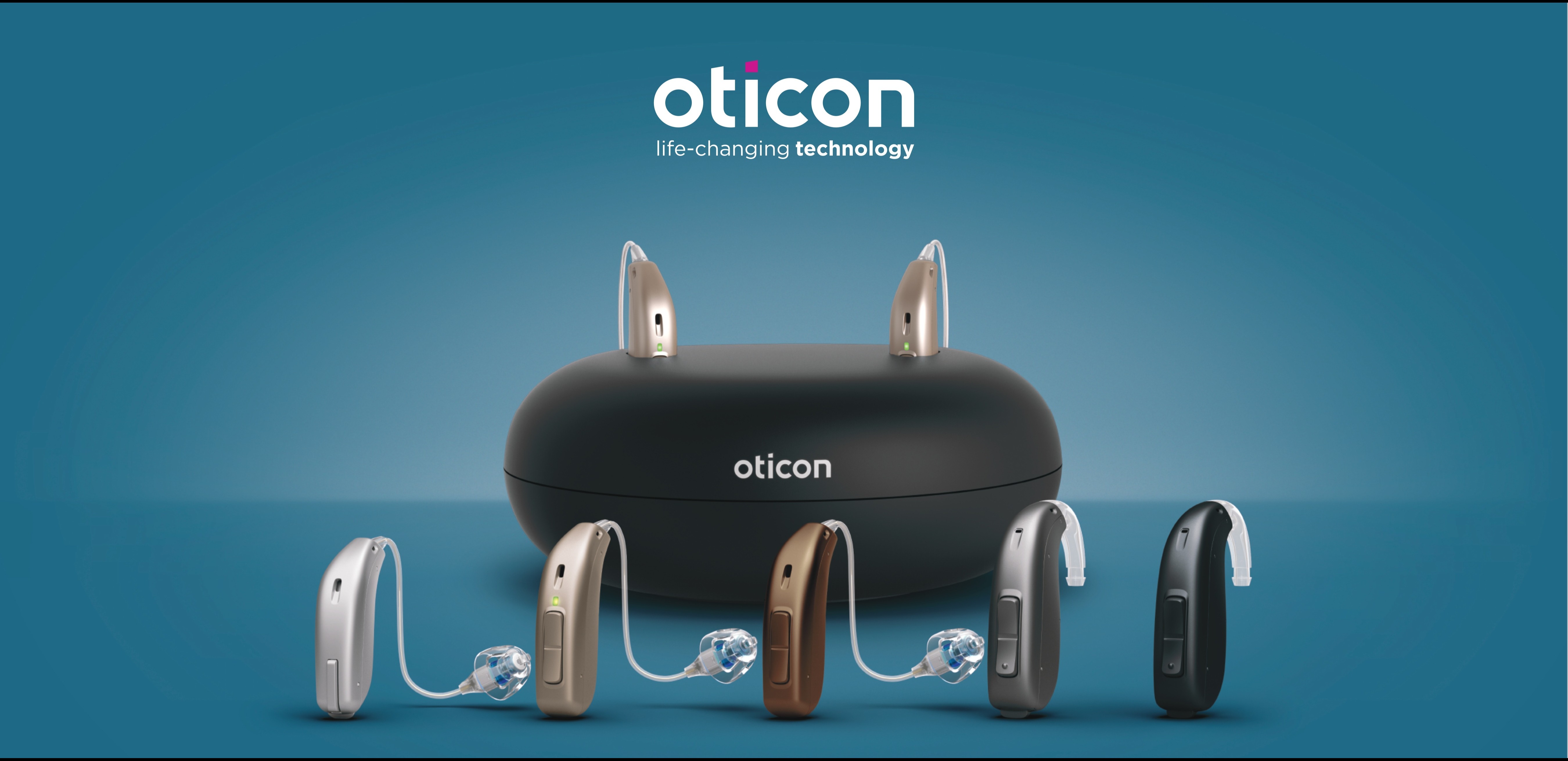
Most rechargeable models use a built-in battery and a compatible charging case or dock. The device needs to be positioned correctly in the charger and charged according to the manufacturer's instructions. Battery life varies with the model, settings, connectivity, and usage.
Charging convenience should be considered alongside physical handling. The user needs to be able to insert and remove the hearing aid comfortably, manage its controls, and recognise when it requires charging. Where these tasks are difficult, support from a family member or caregiver may be useful.
At Zeneth Health Care in Panchkula, older adults and their families can explore hearing aid options with attention to listening requirements, comfort, and ease of use.
Rechargeability is only one part of the decision. The selected device should also match the person's hearing profile and be practical to handle, charge, and maintain consistently.
Keywords