When a hearing aid stops working, the problem may be as simple as a depleted battery. However, replacing the battery without checking the device's power requirements or other possible faults may not resolve the issue.
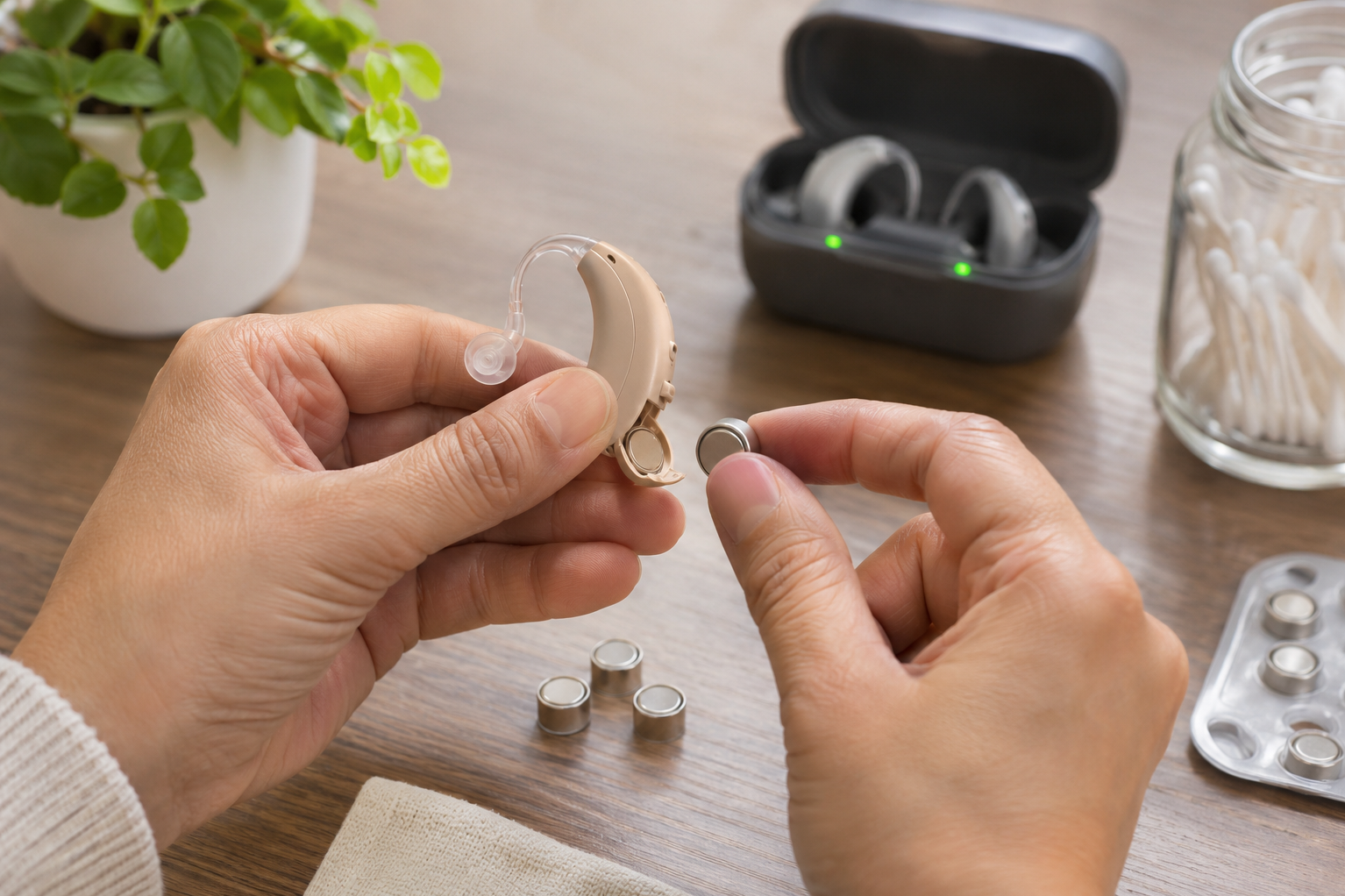
Hearing aid battery replacement applies to devices designed to use disposable batteries. Depending on the model, signs of a depleted battery may include a low-battery warning, reduced operation, or an unexpected shutdown.
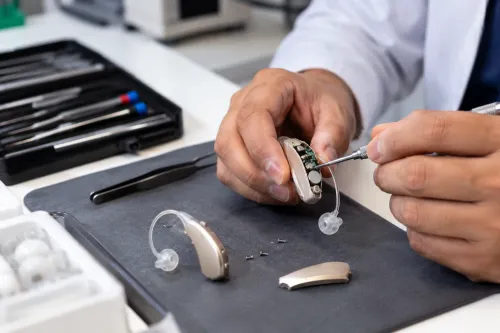
Using the correct battery type is essential. The battery should be inserted according to the manufacturer's instructions, and the compartment should close properly without force. Users should avoid attempting to open or repair the device's internal components.
If the hearing aid continues to malfunction after a correct replacement, the cause may involve dirty battery contacts, moisture exposure, blocked sound outlets, or an internal fault. These problems may require professional inspection rather than another battery change.
Rechargeable hearing aids generally require charging instead of disposable battery replacement, unless the particular model is designed otherwise.
At Zeneth Health Care in Chandigarh, individuals experiencing persistent hearing aid power problems can seek guidance on the appropriate next step.
Battery safety is equally important. Small hearing aid batteries can cause serious injury if swallowed, so they must be kept securely away from children and pets and disposed of responsibly.
Identifying the cause of a power interruption helps users avoid unnecessary replacements and determine when their device needs further attention.
Keywords