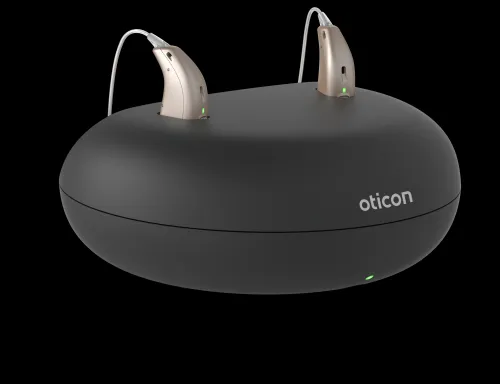

The terms invisible and digital can make hearing aid comparisons confusing because they describe different aspects of a device. One refers to its physical design, while the other describes the way sound is processed.
An invisible hearing aid is designed to sit discreetly inside the ear canal. Its suitability depends on factors such as ear anatomy, hearing requirements, dexterity, and the ability to maintain a small device.
A digital hearing aid uses digital processing to modify sound according to its programming and available features. Depending on the model, this may include adjustments to amplification, management of background noise, multiple listening programmes, or wireless connectivity.
These categories are not mutually exclusive. An invisible hearing aid can also use digital technology, so the comparison is not simply between a discreet device and an advanced one.
At Zeneth Health Care, individuals exploring hearing solutions can seek guidance on device design and technology in relation to their hearing assessment and preferences.
The choice should account for more than the product name. Hearing requirements, comfort, ease of handling, available features, and professional fitting all influence which option may be appropriate.
Understanding the distinction between design and technology makes it easier to compare hearing aids using the factors that matter most to the person who will wear one.
Keywords